
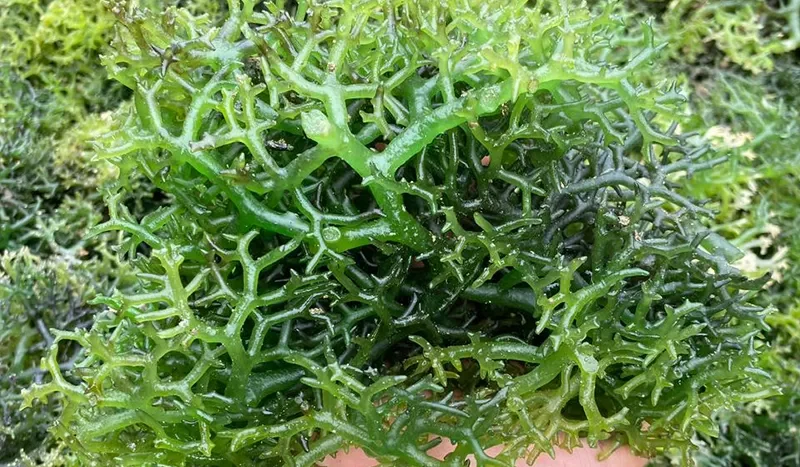
The Untold Truth About Indonesian Seaweed Types and Their Uses
Indonesia is often celebrated for its stunning beaches, rich marine biodiversity, and thriving fisheries. But beneath the waves lies an underrated powerhouse that quietly fuels multiple global industries—seaweed. More specifically, Indonesian seaweed types are among the most diverse, valuable, and commercially important in the world.
Yet, many people still underestimate how complex and strategic this commodity really is. Not all seaweed is created equal. Different types serve entirely different purposes from food and pharmaceuticals to cosmetics and industrial applications.
In this article, we’ll uncover the real truth behind Indonesian seaweed types, explore their unique characteristics, and reveal how each type plays a crucial role across industries.
Why Indonesian Seaweed Types Matter Globally
Indonesia is one of the largest seaweed producers in the world, contributing significantly to global supply chains. Its tropical climate, long coastline, and nutrient-rich waters create the perfect environment for seaweed cultivation.
But what makes Indonesian seaweed types stand out is not just volume it’s variety and functionality.
There are three main categories of seaweed found in Indonesia:
- Red seaweed (Rhodophyta)
- Brown seaweed (Phaeophyceae)
- Green seaweed (Chlorophyta)
Each category contains species with unique chemical compositions, textures, and applications.
Red Seaweed: The Industrial Superstar
Red seaweed dominates Indonesia’s seaweed industry and for good reason.
Key Types:
- Eucheuma cottonii (Kappaphycus alvarezii)
- Eucheuma spinosum (Eucheuma denticulatum)
Main Uses:
- Carrageenan production (food thickener)
- Cosmetics stabilizers
- Pharmaceutical ingredients
The Untold Truth:
Most people think seaweed is mainly for food, but red seaweed is actually a backbone of the global food processing industry. Carrageenan extracted from these Indonesian seaweed types is used in products like ice cream, yogurt, chocolate milk, and even toothpaste.
Without red seaweed, many everyday products wouldn’t have their smooth texture.
Brown Seaweed: The Hidden Health Booster
Brown seaweed is less cultivated but equally powerful, especially in health and wellness sectors.
Key Types:
- Sargassum
- Turbinaria
Main Uses:
- Alginate production
- Fertilizers
- Dietary supplements
The Untold Truth:
Brown seaweed contains bioactive compounds like fucoidan and alginate, which are increasingly used in:
- Anti-aging skincare
- Weight management products
- Medical wound dressings
Despite its lower visibility, this type of Indonesian seaweed is gaining traction in the high-value health market.
Green Seaweed: The Underrated Nutrient Source
Green seaweed may not dominate exports, but it plays a key role in local consumption and niche markets.
Key Types:
- Caulerpa (often called sea grapes)
- Ulva (sea lettuce)
Main Uses:
- Fresh food (salads, side dishes)
- Nutritional supplements
- Functional foods
The Untold Truth:
Green seaweed is packed with vitamins, minerals, and antioxidants, making it a superfood. However, it’s still underutilized globally compared to red seaweed.
This presents a huge opportunity for future expansion in the health-conscious consumer market.
The Business Side: Why Choosing the Right Type Matters
For entrepreneurs, exporters, and manufacturers, selecting the right Indonesian seaweed types can make or break profitability.
Here’s why:
- Different buyers need different types
- Processing requirements vary
- Market prices fluctuate based on demand
For example:
- Carrageenan-grade seaweed has strong global demand
- Raw edible seaweed has more localized markets
- Cosmetic-grade seaweed requires stricter quality control
Choosing the wrong type could lead to losses, while choosing the right one can unlock massive profit potential.
Sustainability and Future Potential
Indonesia’s seaweed industry is not just profitable it’s also sustainable.
Seaweed farming:
- Requires no freshwater
- Absorbs carbon dioxide
- Supports coastal communities
As global demand for eco-friendly products rises, Indonesian seaweed types are becoming even more valuable.
Future Trends:
- Plant-based food innovation
- Natural cosmetic ingredients
- Biodegradable packaging materials
Seaweed is no longer just a commodity it’s a future-focused solution.
Final Thoughts: More Than Just “Sea Plants”
The biggest misconception about seaweed is that it’s simple. In reality, Indonesian seaweed types are highly specialized, commercially strategic, and globally essential.
From your favorite dessert to advanced medical products, seaweed plays a silent but powerful role.
Understanding its types and uses is not just educational it’s a competitive advantage.
Get Premium Indonesian Seaweed Types from Trusted Experts
If you’re looking for high-quality, export-ready Indonesian seaweed types, choosing the right supplier is critical.
Segara Seaweed – Your Trusted Seaweed Partner
Segara Seaweed provides carefully selected and processed Indonesian seaweed to meet global industry standards. Whether you need raw materials for food production, cosmetics, or industrial use, Segara Seaweed ensures:
- Consistent quality and grading
- Sustainable sourcing
- Competitive pricing for bulk orders
- Reliable supply chain for international markets
Partner with Segara Seaweed today and unlock the full potential of Indonesian seaweed types for your business growth.